

As temperatures begin to increase across Maryland, heating systems transition out of regular use while air conditioning systems start to become more active. Early spring is a key time to evaluate HVAC performance, especially during a home inspection.
For homebuyers and homeowners in the greater Baltimore area, this seasonal shift provides an opportunity to understand how well a system is operating before consistent summer heat arrives. HVAC systems are one of the most important components of a home, and their performance is evaluated carefully during inspections.
Below is an overview of how inspectors assess HVAC systems as temperatures begin to rise.
Transition From Heating to Cooling
During winter months, heating systems such as furnaces and boilers are used regularly. As spring approaches, cooling systems begin to take over.
In many cases, inspections occur during this transition period. This means:
• Heating systems may have recently been in use
• Cooling systems may not yet be running daily
• Outdoor temperatures may limit full system testing
Inspectors evaluate systems based on current conditions while also noting any visible concerns or performance limitations.
Air Conditioning System Operation
When outdoor temperatures allow, inspectors will operate the air conditioning system to evaluate basic functionality.
During this process, we typically check:
• Whether the system starts and runs
• Airflow at supply vents
• Temperature difference between return and supply air
• Unusual noises or vibrations
It is important to note that home inspections are not full HVAC service evaluations. The goal is to confirm general operation at the time of the inspection and identify any conditions that may warrant further review.
Outdoor Condenser Units
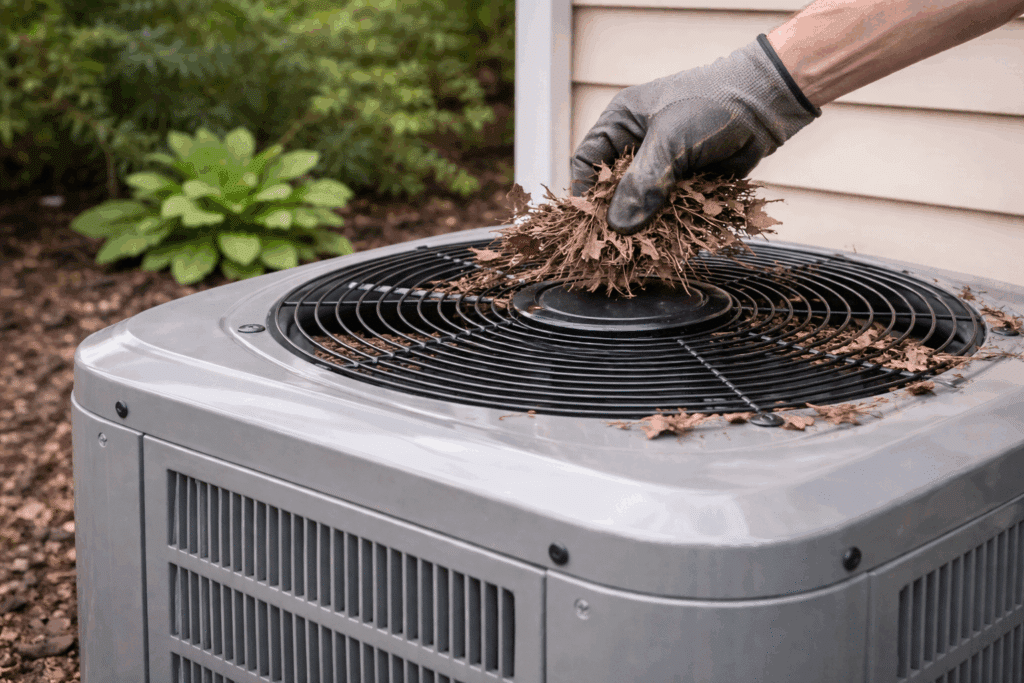
The outdoor condenser unit plays a key role in the cooling process. After winter, these units may have accumulated debris or been exposed to weather conditions.
During inspection, we look for:
• Debris buildup such as leaves or dirt
• Proper clearance from vegetation
• Level placement on the pad
• Condition of refrigerant lines and insulation
Maintaining a clear and stable environment around the condenser helps support efficient operation.
Air Filters and Airflow
Airflow is a critical part of HVAC performance. Restricted airflow can reduce efficiency and impact system operation.
Inspectors often check:
• Condition of accessible air filters
• Visible duct connections near the system
• Airflow at multiple vents throughout the home
Replacing air filters regularly is one of the simplest ways to support system performance as the seasons change.
Thermostat Function and Controls
The thermostat acts as the control center for the HVAC system. During inspections, we verify that the thermostat responds appropriately when switching between heating and cooling modes.
We also observe:
• Accuracy of temperature response
• Proper system cycling
• General condition of thermostat controls
Modern programmable or smart thermostats may also be present, but the inspection focuses on basic operation rather than configuration.
Limitations During Spring Inspections
Early spring inspections sometimes come with temperature limitations. Most air conditioning systems are not operated when outdoor temperatures are below a certain range, typically around 60 degrees Fahrenheit.
Running an AC system in colder conditions can potentially cause damage. Because of this, inspectors may note when:
• The system could not be tested due to temperature
• Limited operation was performed
• Further evaluation may be recommended when conditions allow
This is a normal part of seasonal inspections and helps ensure systems are not operated outside of safe conditions.
Signs of Routine Maintenance Needs
As HVAC systems transition into cooling season, inspections may reveal signs of routine maintenance needs.
These can include:
• Dirty air filters
• Debris around outdoor units
• Minor wear on insulation around refrigerant lines
• General aging of components
Most of these findings are maintenance related and can be addressed through regular service.
Why Spring Is a Good Time to Evaluate HVAC Systems
Spring provides a practical window to review HVAC performance before systems are used more heavily in summer.
For buyers, this helps establish:
• Whether the system appears to be functioning
• The general condition of components
• Any recommendations for servicing
For homeowners, early evaluation allows time to schedule maintenance before peak demand during warmer months.
Supporting Long Term System Performance
HVAC systems are designed to operate efficiently when properly maintained. Routine servicing, filter replacement, and keeping outdoor units clear all contribute to long term performance.
A home inspection provides a snapshot of system condition at a specific point in time. Understanding how the system is performing as temperatures begin to rise helps both buyers and homeowners plan for seasonal use.
Staying proactive with maintenance supports comfort, efficiency, and reliability throughout the warmer months.
Check out our reviews!