
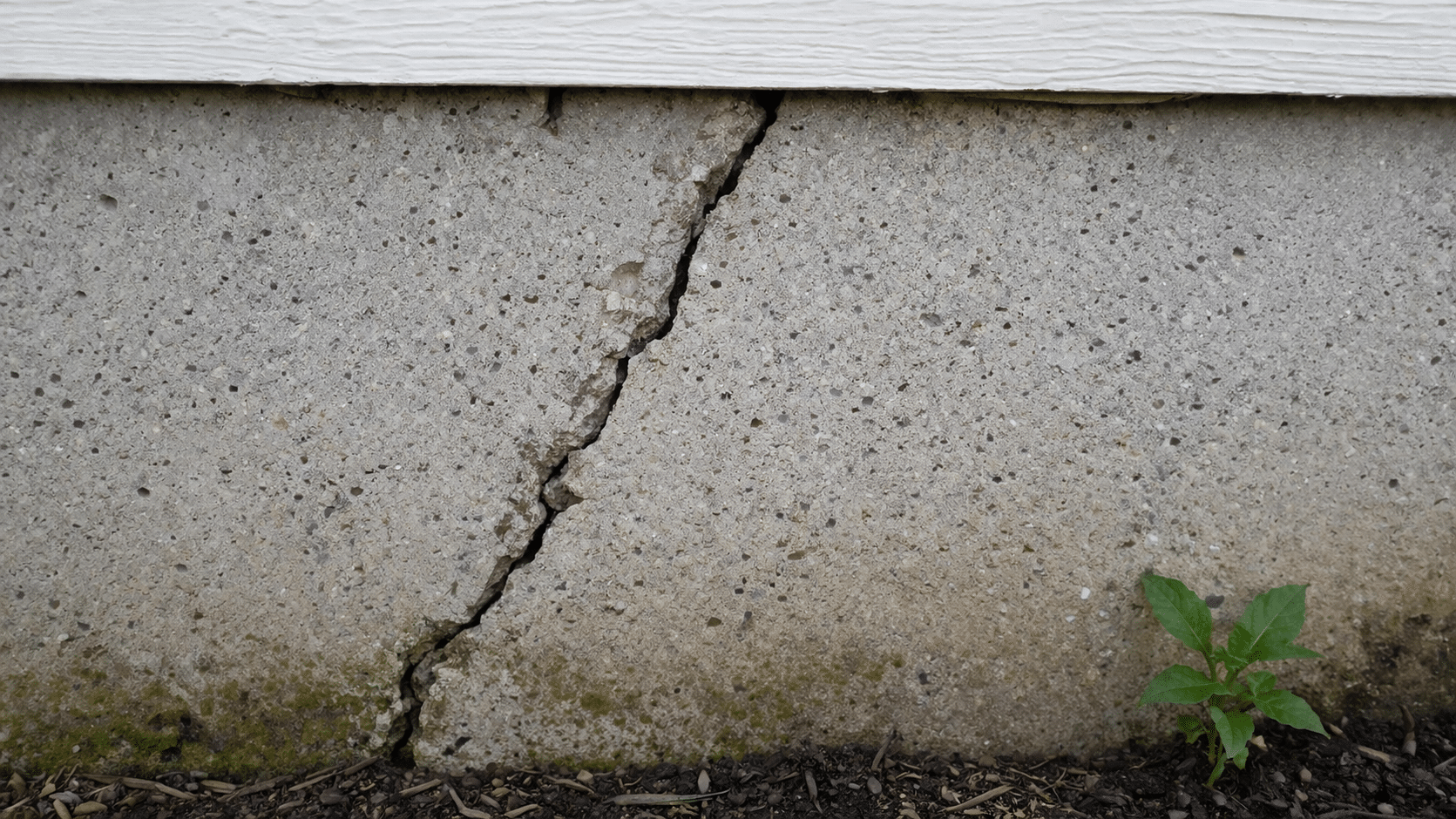
Foundation cracks are one of the most common concerns noted during home inspections. For buyers and homeowners in the greater Baltimore area, seeing a crack in a foundation can raise immediate questions about structural integrity.
In reality, not all foundation cracks indicate a structural issue. Many are the result of normal settling and material behavior over time. Understanding the difference between cosmetic and structural cracks helps provide clarity when reviewing inspection findings.
Why Foundation Cracks Occur
Concrete and masonry materials naturally expand and contract as temperatures change. Over time, homes also settle slightly into the soil. These factors can lead to the development of cracks in foundation walls or floors.
Common causes include:
• Normal shrinkage during curing
• Seasonal temperature changes
• Minor settlement of the structure
• Soil movement due to moisture variation
These conditions are expected in many homes and often result in small, stable cracks.
Characteristics of Cosmetic Cracks
Cosmetic cracks are typically minor and do not affect the structural performance of the home. These cracks are commonly observed in both newer and older properties.
They often appear as:
• Hairline or very thin cracks
• Vertical cracks in poured concrete
• Small, consistent cracks with no displacement
• Cracks that remain unchanged over time
In many cases, cosmetic cracks can be sealed or monitored without requiring structural repair.
Indicators of Structural Concerns
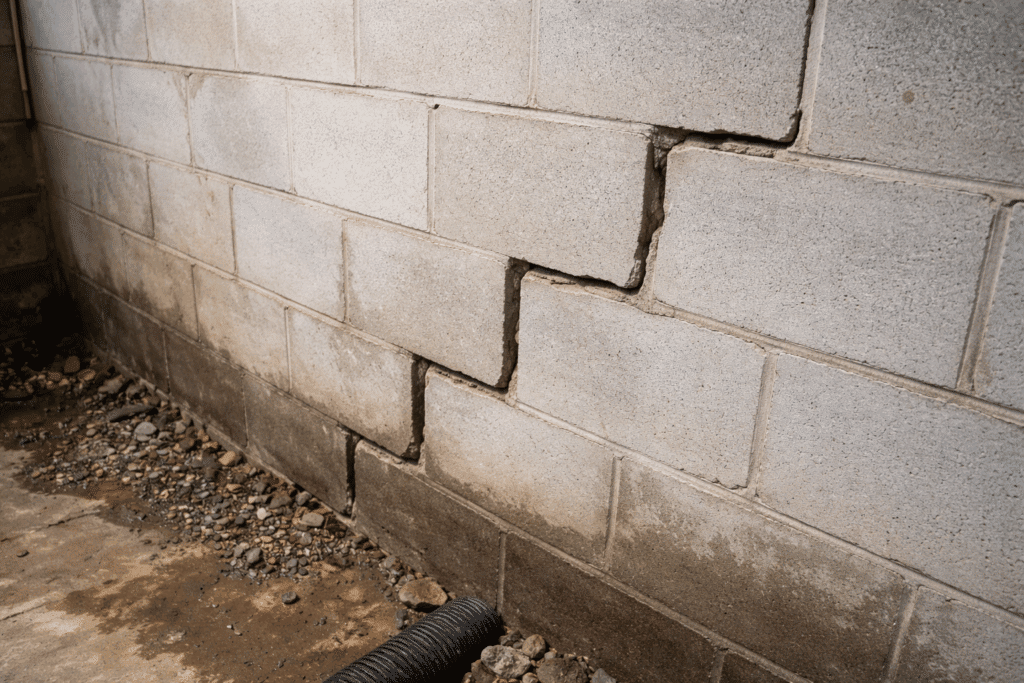
Some cracks may suggest movement beyond normal settling and may warrant further evaluation.
Inspectors pay close attention to cracks that show:
• Horizontal orientation in foundation walls
• Stair step patterns in block or masonry
• Noticeable widening over time
• Displacement where one side is offset from the other
These characteristics may indicate additional pressure on the foundation or changes in soil conditions.
Location and Pattern Matter
The location of a crack can provide important context. For example:
• Vertical cracks near the center of a wall are often related to shrinkage
• Cracks near corners may be associated with settlement
• Horizontal cracks may be linked to lateral pressure from soil
Patterns help inspectors understand whether a crack appears typical for the structure or if further evaluation may be beneficial.
Interior vs Exterior Observations
Foundation cracks may be visible from both the interior and exterior of the home.
Inspectors evaluate:
• Basement or crawlspace walls
• Exterior foundation surfaces
• Areas where moisture staining is present
• Any signs of past repairs or patching
Comparing interior and exterior observations helps provide a more complete understanding of the condition.
Moisture and Foundation Cracks
Water movement around the home can influence foundation conditions. Poor drainage, grading issues, or downspout placement can contribute to increased soil pressure.
In some cases, cracks may be associated with:
• Efflorescence on foundation walls
• Minor water intrusion
• Damp conditions in basements or crawlspaces
Addressing drainage concerns can often help reduce additional stress on the foundation.
When Further Evaluation Is Recommended
A home inspection provides a visual assessment of foundation conditions. If certain crack patterns or characteristics are observed, further evaluation by a qualified specialist may be recommended.
This does not necessarily mean a structural issue is present, but it allows for a more detailed assessment when needed.
What This Means for Buyers
For buyers, understanding the difference between cosmetic and structural cracks helps reduce uncertainty. Many homes will have some form of cracking, and in most cases, these are part of normal building behavior.
The inspection process helps determine:
• Whether cracks appear typical
• If monitoring is appropriate
• When additional evaluation may be beneficial
This information supports informed decision making during the home buying process.
Supporting Long Term Foundation Performance
Maintaining proper drainage, managing moisture, and addressing minor cracks early can help support long term performance.
Foundation systems are designed to handle normal movement. By understanding what is typical and what may require attention, homeowners can better maintain their property over time.
Check out our reviews!