

Attics play an important role in regulating temperature and moisture within a home. In Maryland homes, seasonal changes can place added stress on attic spaces, making proper ventilation and insulation important for overall performance.
During a home inspection, attic areas are evaluated for visible conditions that may affect airflow, insulation effectiveness, and moisture control. Understanding how these systems work together helps buyers and homeowners interpret inspection findings.
Why Ventilation and Insulation Matter
Ventilation and insulation serve different but related functions.
Ventilation helps:
• Remove excess heat
• Reduce moisture buildup
• Promote airflow through the attic
Insulation helps:
• Reduce heat transfer
• Support energy efficiency
• Maintain more consistent indoor temperatures
Both systems work together to support home performance.
According to ENERGY STAR, proper attic ventilation and insulation help manage heat, moisture, and overall energy performance throughout the home.
Common Ventilation Components
Attic ventilation typically includes both intake and exhaust.
Inspectors look for:
• Soffit vents
• Ridge vents
• Gable vents
• Roof vents
Balanced airflow between intake and exhaust helps support proper ventilation.
Signs of Inadequate Ventilation
Poor ventilation can contribute to heat and moisture buildup.
Common indicators include:
• Excessive attic heat
• Condensation on framing
• Staining on wood surfaces
• Musty odors in attic spaces
These conditions may affect both the attic and living spaces below.
Insulation Performance
Insulation is evaluated based on coverage and condition.
Inspectors may observe:
• Uneven insulation levels
• Missing or compressed insulation
• Disturbed or displaced materials
• General material condition
Gaps in insulation can reduce overall effectiveness.
Airflow Obstructions
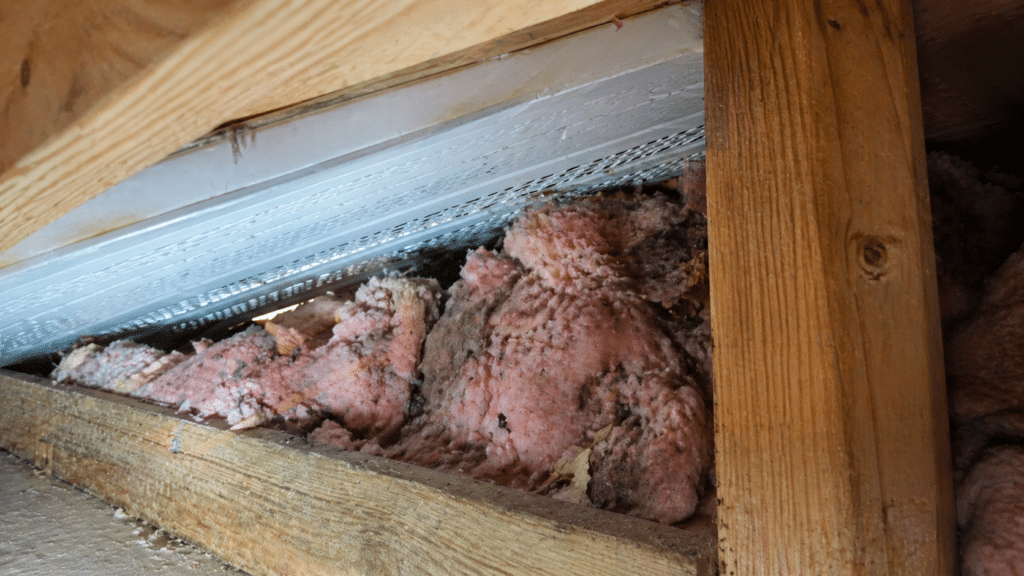
Even when vents are present, airflow can still be restricted.
Common issues include:
• Insulation blocking soffit vents
• Debris near ventilation openings
• Improperly installed insulation baffles
Clear airflow paths are important to proper attic function.
Moisture and Attic Conditions
Moisture conditions are also part of attic evaluation.
Inspectors may note:
• Minor staining on framing
• Damp insulation in localized areas
• Condensation related indicators
Managing moisture helps protect structural materials over time.
Attic Performance in Maryland Homes
Maryland’s climate brings humid summers and cold winters, both of which can affect attic conditions.
Proper ventilation and insulation help:
• Reduce summer heat buildup
• Limit winter condensation
• Support energy performance year round
When Improvements May Be Recommended
A home inspection provides a snapshot of attic conditions at the time of inspection.
During a home inspection, attic areas are evaluated for visible conditions that may affect airflow, insulation effectiveness, and moisture control, consistent with the Maryland Home Inspection Standards of Practice.
Recommendations may include:
• Improving ventilation balance
• Adjusting insulation coverage
• Clearing blocked airflow paths
These are often maintenance or upgrade related.
Supporting Long Term Home Performance
Attic ventilation and insulation contribute to the overall performance of the home. Addressing minor issues early can help maintain consistent conditions and reduce stress on other systems.
Understanding how these components function helps homeowners better maintain their property over time.
External Reference:
ENERGY STAR Attic Ventilation Guide
https://www.energystar.gov/saveathome/seal_insulate/do-it-yourself-guide/about-attic-ventilation