
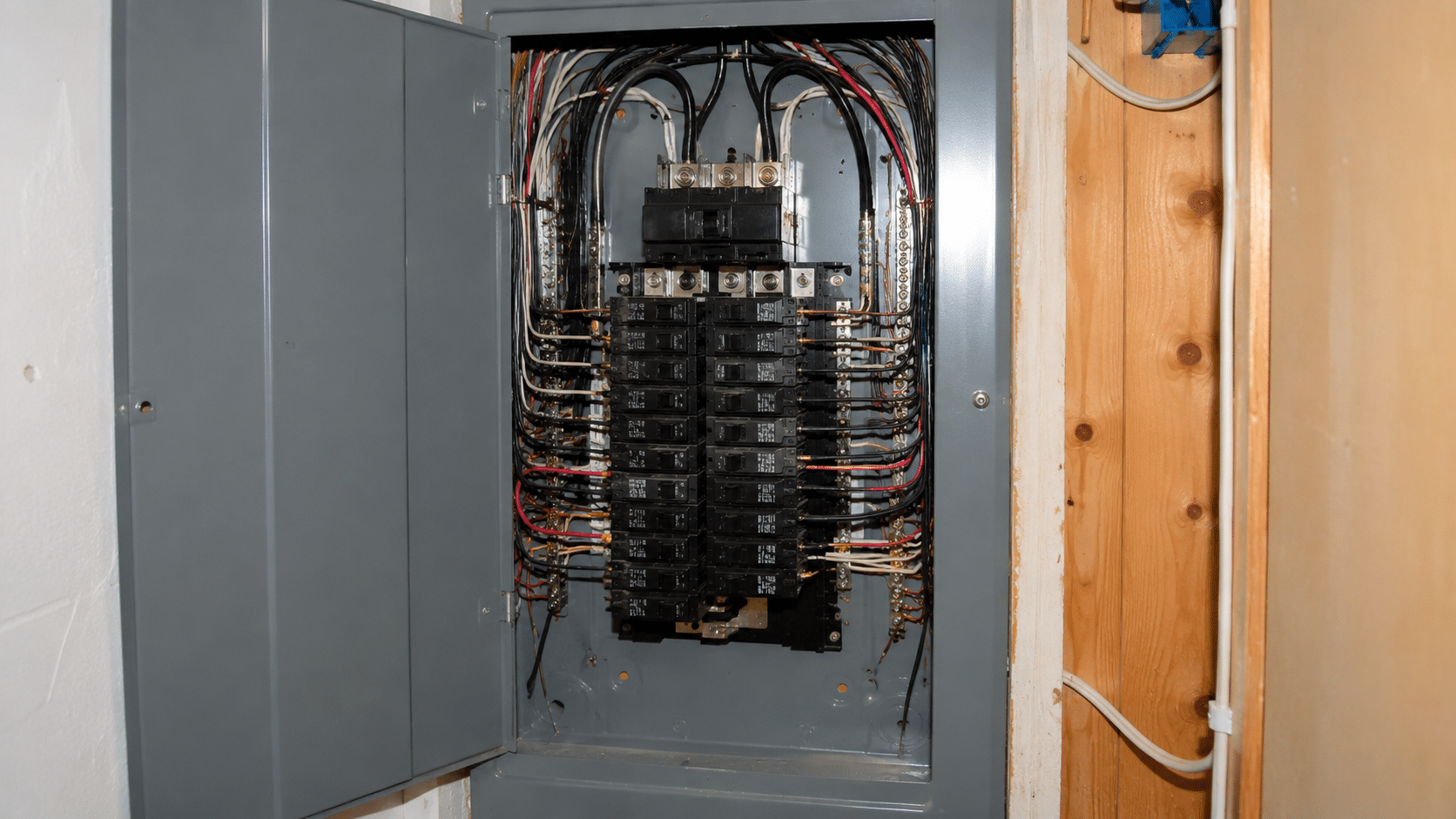
Electrical panels are one of the most important components evaluated during a home inspection. They serve as the central distribution point for a home’s electrical system and help protect circuits from overloads and faults.
During a home inspection, electrical panels are visually evaluated for accessible conditions and safety concerns. Understanding what inspectors look for can help homeowners and buyers better interpret inspection findings.
Why Electrical Panel Safety Matters
The electrical panel distributes power throughout the home and contains protective devices designed to help manage electrical loads.
A properly functioning panel helps:
• Distribute electricity safely
• Protect branch circuits
• Support reliable operation of electrical systems
According to the Electrical Safety Foundation International, routine awareness of electrical system conditions plays an important role in home safety.
What Inspectors Evaluate
Home inspectors perform a visual evaluation of accessible electrical components.
Inspectors may observe:
• Panel condition
• Panel accessibility
• Circuit breaker configuration
• Visible wiring conditions
• Evidence of overheating or damage
The inspection focuses on visible conditions at the time of the inspection.
Panel Accessibility
Electrical panels should be readily accessible for operation and servicing.
Inspectors commonly note:
• Obstructed access
• Improper storage in front of the panel
• Limited working clearance
Accessibility is important for maintenance and emergency situations.
Signs of Wear or Damage
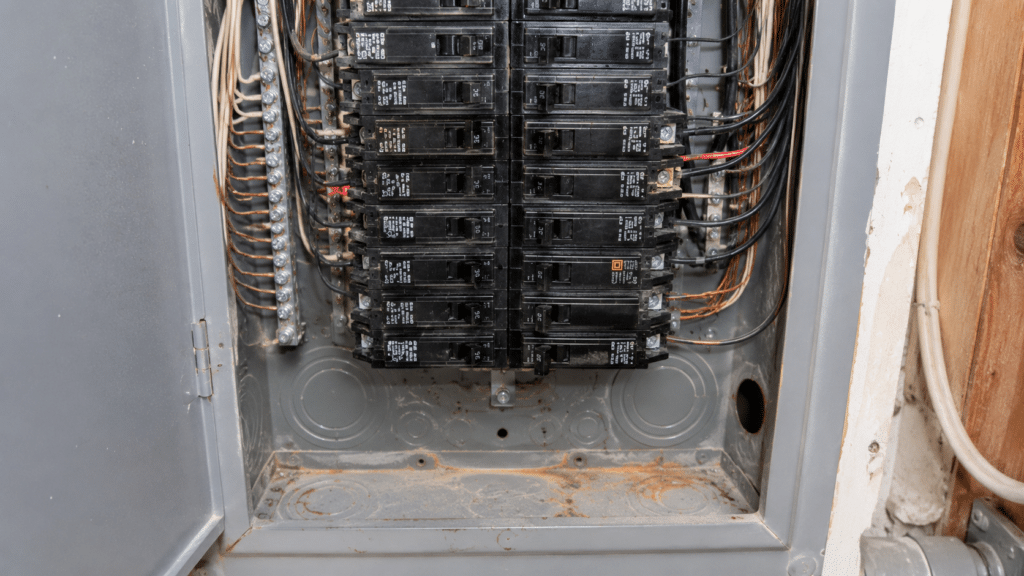
Visible signs of wear may indicate the need for further evaluation.
Examples include:
• Corrosion inside the panel
• Burn marks or discoloration
• Damaged breakers
• Missing panel covers or openings
These conditions may warrant additional review by a licensed electrician.
Wiring Conditions
Inspectors also evaluate visible wiring inside accessible areas of the panel.
Common observations may include:
• Loose or improperly routed conductors
• Damaged wire insulation
• Improper connections
Not all wiring concerns indicate immediate hazards, but they may require further evaluation.
Breaker Configuration
Circuit breakers are designed to protect wiring and electrical equipment.
Inspectors may observe:
• Breakers that appear damaged
• Improperly sized breakers
• Double tapped breakers where not permitted
Breaker configuration is an important part of the panel evaluation.
Older Electrical Panels
Some older electrical panels may receive additional attention during an inspection.
Factors considered include:
• Age of the equipment
• Visible condition
• Manufacturer information when accessible
Further evaluation may be recommended depending on observations made during the inspection.
When Further Evaluation Is Recommended
A home inspection is not a code compliance inspection and does not involve dismantling electrical equipment beyond normal inspection procedures.
If concerns are observed, further evaluation by a licensed electrician may be recommended.
As discussed in our article on AC Performance During Home Inspections, home systems perform best when they are regularly maintained and evaluated as part of the overall condition of the property.
Supporting Long Term Electrical Safety
Understanding the condition of the electrical panel helps homeowners and buyers make informed decisions about maintenance and future improvements.
Routine monitoring and professional evaluation when concerns arise can help support long term electrical system performance.