
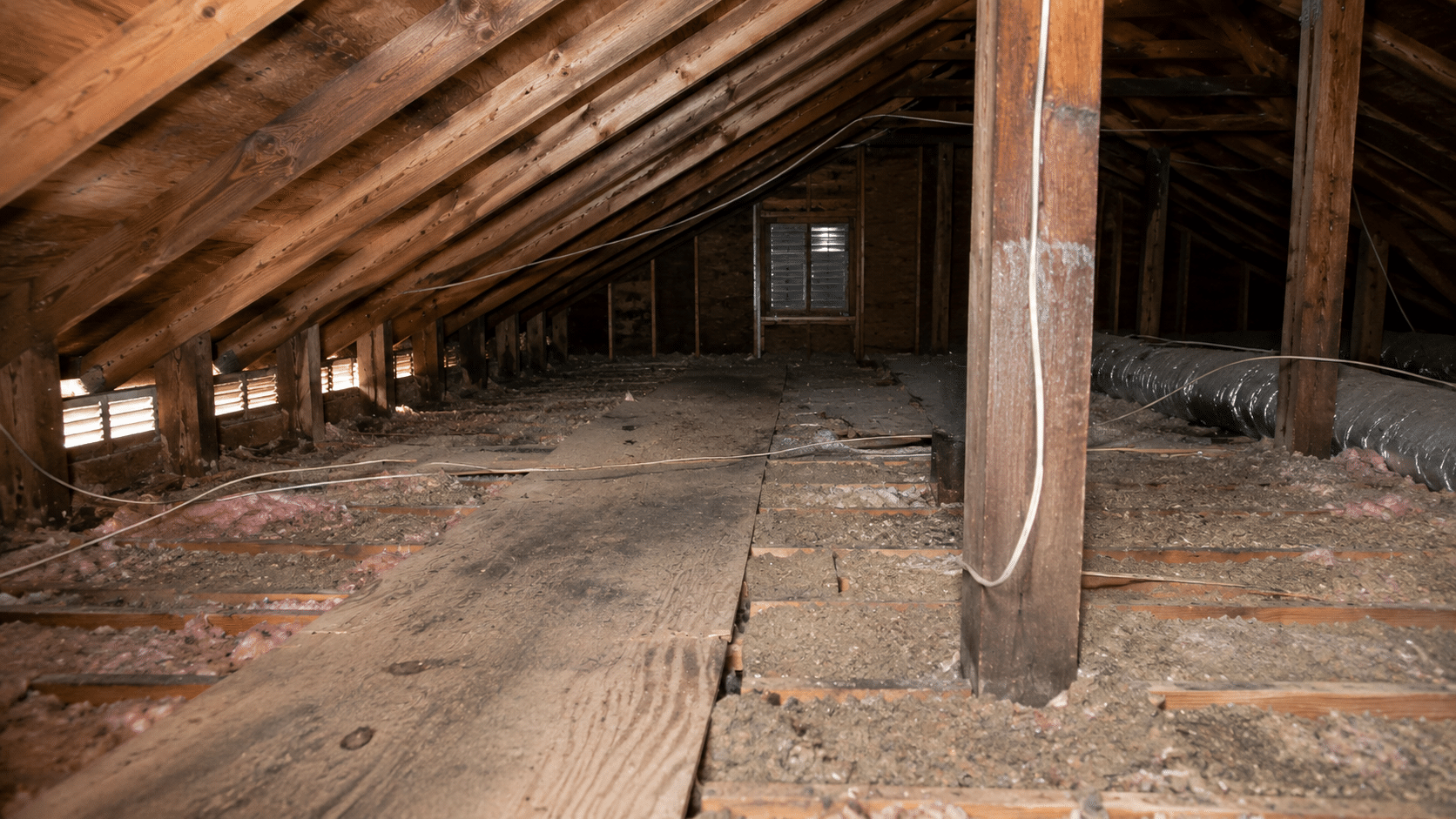
During the summer months, attic temperatures can rise significantly above outdoor temperatures. Without adequate ventilation, excessive heat can build up, affecting the home’s roofing system, insulation, and overall energy efficiency.
During a home inspection, accessible attic spaces are visually evaluated for ventilation, insulation, and other visible conditions that may impact performance. Understanding what inspectors look for can help homeowners and buyers better interpret inspection findings.
Why Attic Ventilation Matters
Attic ventilation helps regulate temperature and moisture levels throughout the year.
Proper ventilation can help:
• Reduce excessive attic heat buildup
• Support roofing material longevity
• Improve energy efficiency
• Help control moisture accumulation
According to the U.S. Department of Energy, proper attic ventilation and insulation work together to improve energy performance and help manage indoor comfort.
What Inspectors Evaluate
Home inspectors perform a visual evaluation of accessible attic components.
Inspectors may observe:
• Soffit and ridge vent presence
• Gable vents where installed
• Insulation coverage
• Signs of restricted airflow
• Visible moisture staining or condensation
The evaluation reflects conditions present at the time of the inspection.
Signs of Excessive Heat
High attic temperatures may contribute to several visible conditions.
Inspectors may observe:
• Discolored roof sheathing
• Premature aging of roofing materials
• Hot attic temperatures during the inspection
• Areas with limited airflow
These observations help identify conditions that may benefit from further evaluation.
Ventilation Components
Proper airflow depends on both intake and exhaust ventilation.
Common ventilation components include:
• Soffit vents
• Ridge vents
• Gable vents
• Roof vents
Balanced airflow helps remove heat and moisture from the attic.
Insulation and Airflow
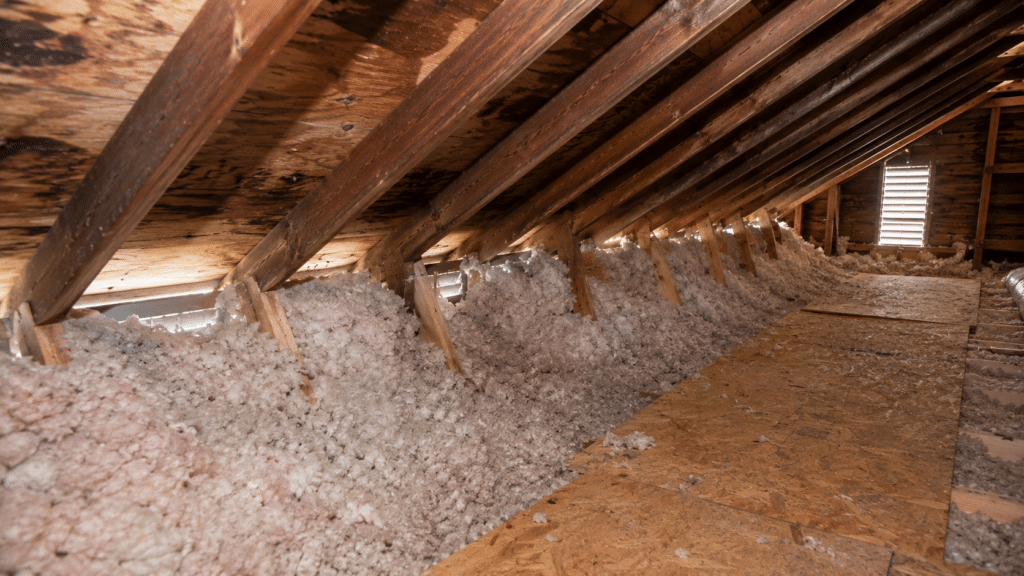
Insulation and ventilation work together to improve attic performance.
Inspectors may note:
• Compressed insulation
• Areas with missing insulation
• Blocked soffit vents caused by insulation
• Uneven insulation coverage
Maintaining clear airflow helps ventilation systems function effectively.
Seasonal Considerations
Summer heat places additional demand on attic ventilation systems.
Routine maintenance may include:
• Keeping vents free of debris
• Checking for damaged vent covers
• Monitoring attic conditions after roof work
These practices help support long term attic performance.
When Further Evaluation Is Recommended
Home inspections provide a visual assessment of accessible attic conditions.
If significant ventilation deficiencies or other concerns are observed, additional evaluation by a qualified roofing or insulation professional may be recommended.
As discussed in our article on Pool Inspection Considerations, regular evaluation of home systems helps homeowners better understand maintenance needs and long term property performance.
Supporting Long Term Home Performance
Attic ventilation plays an important role in protecting the home from excessive heat and moisture. Understanding how ventilation systems function can help homeowners make informed maintenance decisions and improve overall home performance.