
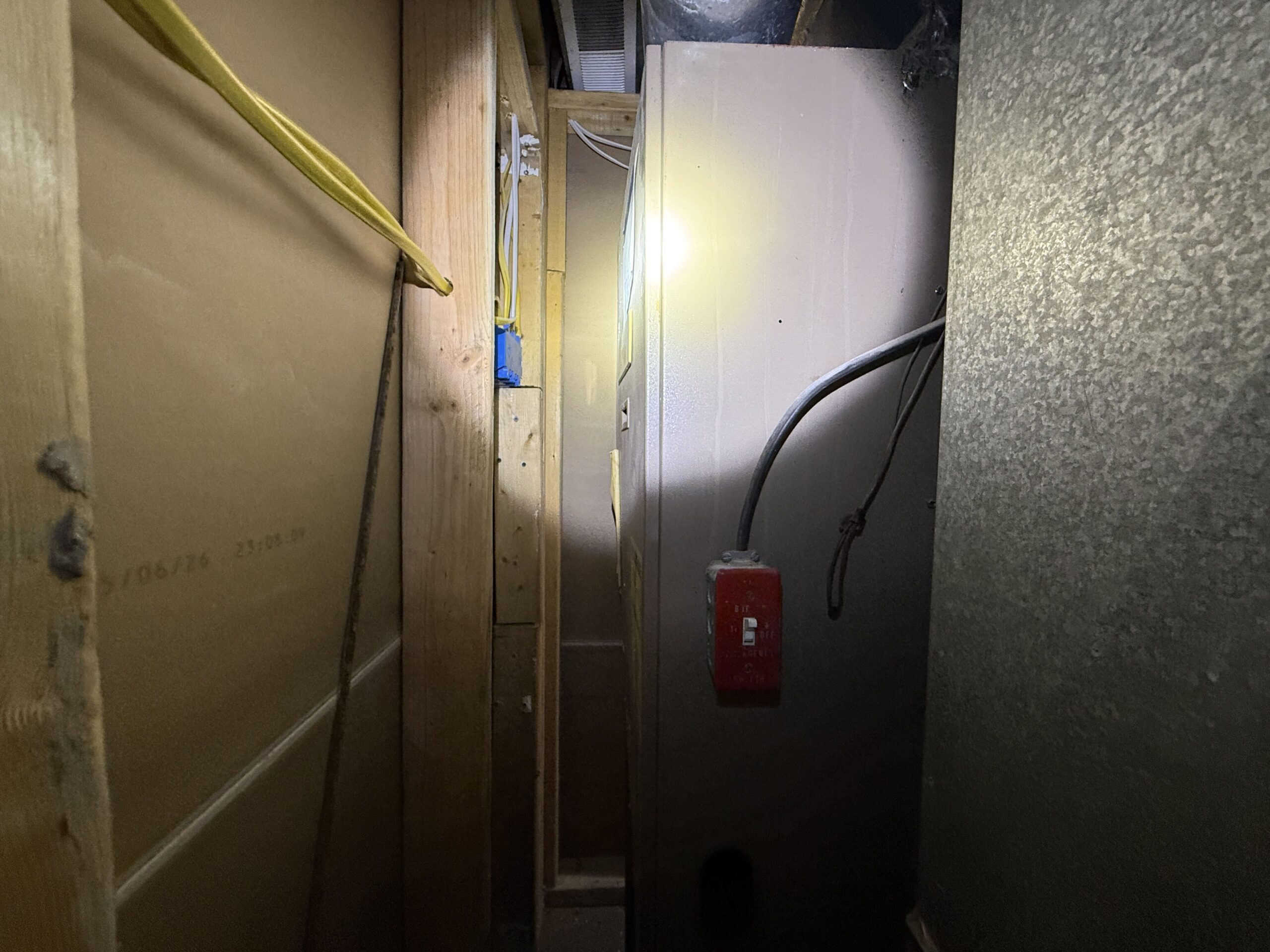
With chimneys and fireplaces already getting attention ahead of the colder months, it’s just as important to look at the other half of a home’s heating setup: the furnace or central heating system itself. Late September is a practical time to schedule this check, before the first sustained cold snap puts real demand on equipment that’s been sitting idle since last winter.
Why It Matters
A furnace that hasn’t been serviced since last season can develop small issues that go unnoticed until it’s running continuously in cold weather. Beyond comfort, a malfunctioning furnace can also pose a real safety risk, since a cracked heat exchanger or blocked venting can allow carbon monoxide to enter living spaces. Addressing these issues before winter, rather than after the first hard freeze, gives homeowners more flexibility and avoids the inconvenience of a breakdown during the coldest stretch of the year.
What Inspectors Evaluate
During a pre-winter heating system check, a few components get particular attention:
- Heat exchanger condition, checking for cracks that could allow combustion gases to escape
- Venting and flue connections, confirming exhaust is properly directed outside
- Filter condition, since a clogged filter restricts airflow and strains the system
- Ignition and burner operation, checking that the system starts and runs consistently
- Carbon monoxide detectors, confirming they’re present, functioning, and appropriately placed
Heat Exchanger and Venting
The heat exchanger separates combustion gases from the air that circulates through a home, and repeated heating and cooling cycles over the years can cause it to develop small cracks. Inspectors look closely at this component, since a compromised heat exchanger is one of the more serious safety concerns a furnace can have. Venting and flue connections get similar attention, since improperly connected or blocked venting can allow gases to back up into the home instead of exiting outside.
Filters and Airflow
A dirty filter forces a furnace to work harder to push air through the system, which can lead to overheating and added strain on internal components over time. Inspectors check filter condition as part of a broader airflow assessment, since restricted airflow is one of the more common, and more preventable, issues found during a pre-season check.
Carbon Monoxide Detection
Because a malfunctioning furnace can produce carbon monoxide, working detectors are an essential backup to proper equipment maintenance. Inspectors check that detectors are present on each level of the home, particularly near sleeping areas, and confirm they’re functioning correctly.
Seasonal Considerations
According to the CDC, carbon monoxide exposure claims the lives of hundreds of people in the United States every year, and heating systems, along with other gas, oil, and coal-burning appliances, should be serviced by a qualified technician annually to help prevent it. This guidance lines up with what a pre-winter check commonly reveals locally, where furnaces that sat unused through the warmer months sometimes show early signs of wear that are far simpler to address before they’re running daily.
Heat exchanger cracks are a particular concern worth understanding in more detail, since they aren’t something that can always be caught with a simple glance. Our earlier post on flame distortion and what it means for your furnace covers the visual signs of flame rollout and heat exchanger damage more closely, which pairs directly with the broader pre-winter check outlined here.
When Further Evaluation Is Recommended
A few signs point to a need for a licensed HVAC technician before relying on a furnace for the season:
- Visible cracks or rust around the heat exchanger
- A furnace that produces unusual odors, especially a burning smell
- Short cycling or inconsistent heating throughout the home
- A carbon monoxide detector that activates, which should prompt an immediate call to emergency services from outside the home
- A system that hasn’t been professionally serviced in more than a year
None of these signs necessarily mean a full system replacement is needed. In many cases, a technician can identify and resolve the specific issue during a standard maintenance visit.
Supporting Long-Term Maintenance and Prevention
A few consistent habits help keep a furnace running safely and efficiently through the winter months. Scheduling an annual professional tune-up before the season’s first real cold snap allows time to address any issues found. Changing filters regularly, generally every one to three months, keeps airflow consistent and reduces strain on the system. Testing carbon monoxide detectors and replacing batteries as needed keeps this important safety backup reliable. Keeping vents and registers clear of furniture or debris also helps the system distribute heat evenly throughout the home.