
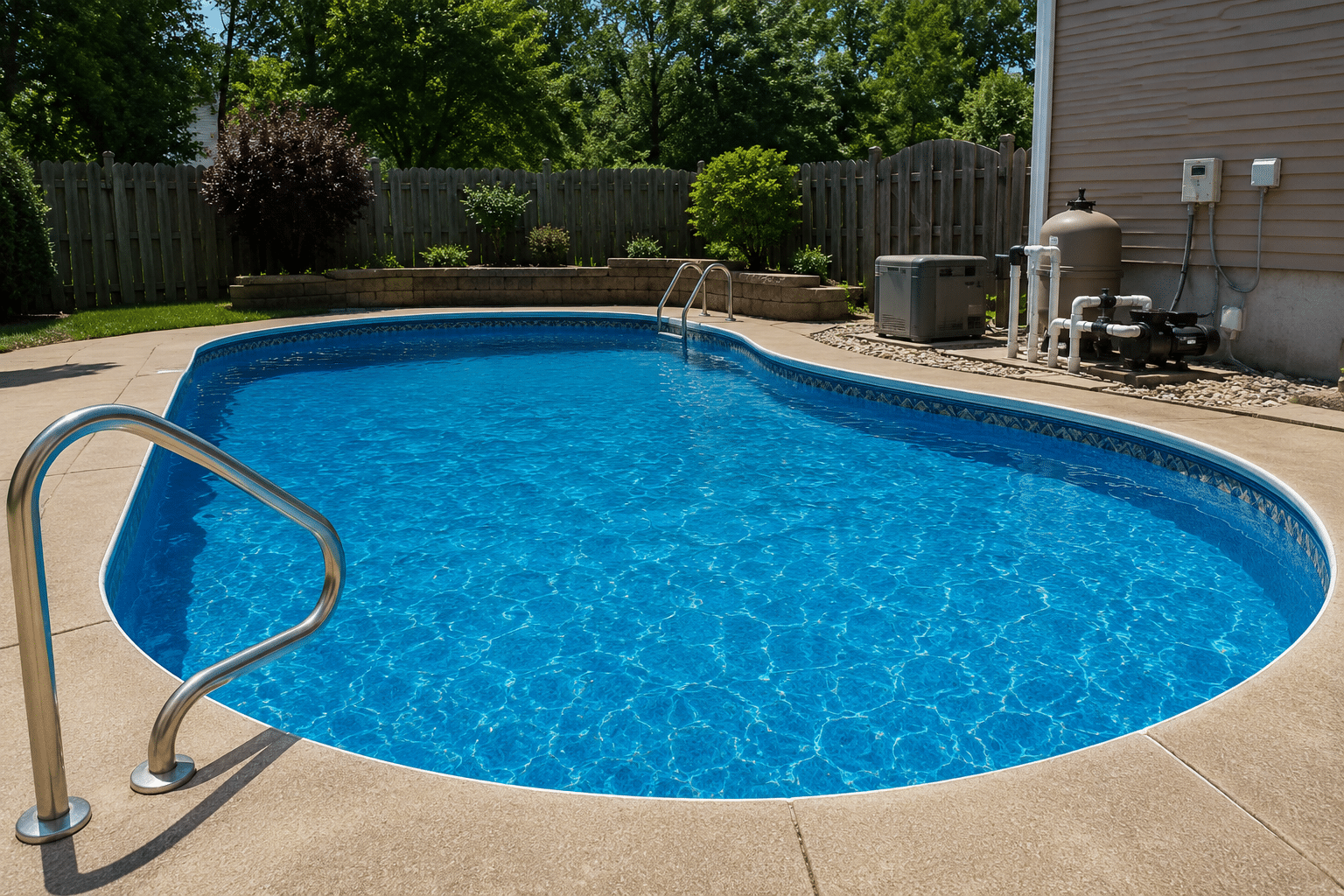
Pools can provide enjoyment throughout the summer months, but they also include multiple components that require regular attention and maintenance. During a home inspection, pools are visually evaluated for accessible conditions and visible concerns that may affect operation or safety.
Understanding what inspectors look for can help buyers and homeowners better interpret inspection findings and plan for ongoing maintenance.
Why Pool Inspections Matter
Pools involve several systems working together, including structural components, circulation equipment, and safety features.
Regular observation helps:
• Identify visible maintenance concerns
• Support safe operation
• Improve long term performance
According to the Pool & Hot Tub Alliance, routine inspection and maintenance are important for promoting pool safety and proper operation.
What Inspectors Evaluate
Home inspectors perform a visual evaluation of accessible pool components.
Inspectors may observe:
• Pool surface condition
• Deck and surrounding areas
• Circulation equipment
• Accessible plumbing components
• Visible safety features
The evaluation is limited to conditions present at the time of the inspection.
Pool Structure and Surface Conditions
The condition of the pool itself can provide insight into maintenance and performance.
Inspectors may note:
• Cracks or visible damage
• Surface deterioration
• Missing or damaged tiles
• Signs of previous repairs
Visible conditions are documented for further review when necessary.
Pool Equipment and Circulation Systems
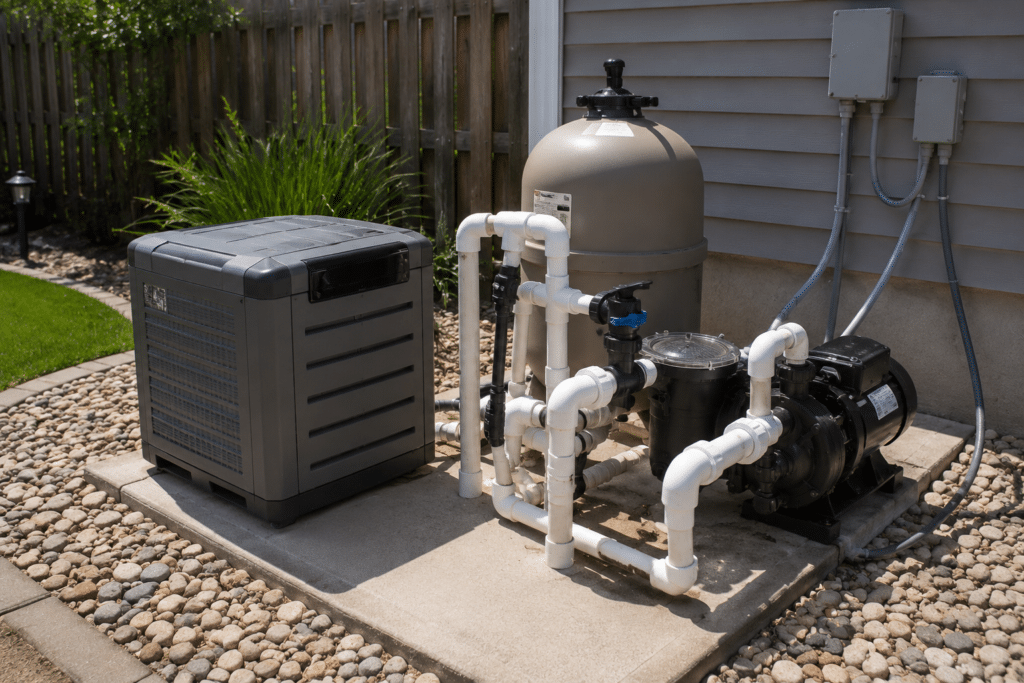
Pools rely on pumps and filtration systems to maintain water quality and circulation.
Inspectors may observe:
• Pump condition
• Filter equipment accessibility
• Visible leaks around components
• General operation of accessible equipment
Proper circulation is important for overall pool performance.
Pool Deck and Drainage
Areas surrounding the pool also play an important role.
Inspectors may note:
• Trip hazards or uneven surfaces
• Drainage conditions around the deck
• Cracked concrete or settlement
• Areas where water may collect
Maintaining proper drainage helps preserve surrounding surfaces.
Safety Features
Visible safety features are important considerations during a pool inspection.
Inspectors may observe:
• Fencing and barriers
• Self closing or self latching gates
• Condition of handrails and ladders
• Accessible electrical components near the pool area
Safety features help reduce the risk of accidents and improve overall usability.
Seasonal Considerations
Pool systems often experience increased use during the summer months.
Routine maintenance may include:
• Monitoring equipment performance
• Cleaning filters and baskets
• Inspecting visible safety features
• Addressing minor maintenance concerns promptly
Regular upkeep helps support long term performance.
When Further Evaluation Is Recommended
Home inspections provide a visual assessment of accessible pool components.
If concerns are observed, additional evaluation by a pool specialist may be recommended.
As discussed in our article on Outdoor Electrical Safety and GFCI Protection, electrical safety around water is an important part of maintaining a safe outdoor environment.
Supporting Long Term Enjoyment
Pools require ongoing maintenance and periodic evaluation to support safe operation and performance.
Understanding the visible components of a pool system helps homeowners make informed decisions and maintain their investment over time.