

Mid-July in Maryland means air conditioning systems are working harder than at almost any other point in the year. For homeowners, that steady hum in the background is easy to take for granted, until it stops. During a home inspection, the cooling system is one of the components that gets the closest look, especially in the summer months when performance issues are easiest to spot. Understanding what inspectors evaluate can help homeowners catch small problems before they turn into a hot, uncomfortable week.
Why It Matters
An air conditioning system is one of the more expensive components in a home to repair or replace, and it’s also one that directly affects day to day comfort. A system that is straining to keep up with summer heat is often using more energy than it should, which shows up as a higher utility bill before it shows up as a full breakdown. For anyone buying or selling a home, a cooling system in good working order is also a meaningful factor in a smooth transaction. Buyers want confidence that they won’t be facing a major expense in their first summer in a new home, and sellers benefit from addressing issues ahead of time rather than during negotiations.
What Inspectors Evaluate
During a summer inspection, a few areas of the cooling system get particular attention:
- Thermostat operation. Inspectors confirm the thermostat responds correctly and that the system cycles on and off as expected.
- Airflow at the registers. Weak or uneven airflow can point to a clogged filter, blocked ductwork, or a failing blower motor.
- Condenser unit clearance. The outdoor unit needs open space around it to release heat effectively.
- Condensate drainage. Clogged condensate lines can lead to water damage around the air handler.
- Electrical components and disconnect. Inspectors check that the system is properly grounded and that the electrical disconnect is in safe working condition.
- Refrigerant line insulation. Damaged or missing insulation on the refrigerant lines can reduce cooling efficiency.
Condenser Clearance and Airflow
The outdoor condenser unit relies on unobstructed airflow to release the heat it pulls from inside the home. Grass clippings, leaves, mulch, and overgrown shrubs are common culprits that build up around the unit over the course of a season. Inspectors look for at least two feet of clearance on all sides, since a blocked condenser has to work harder and can overheat under sustained summer use.
Thermostat and Cycling Behavior
A cooling system that turns on and off frequently without completing a full cycle, known as short cycling, places extra strain on internal components. Inspectors watch for this pattern during testing, since it often signals an electrical issue, a sizing mismatch, or a thermostat problem rather than something that will resolve on its own.
Condensate Drains and Water Management
As the system removes humidity from the air, that moisture has to go somewhere. Condensate drains and traps carry it out of the home, but they can accumulate debris over time. A blocked drain can cause water to back up into the air handler, which sometimes leads to staining or water damage in the surrounding area, particularly when the equipment is located in an attic, closet, or crawlspace.
Seasonal Considerations
Maryland’s Chesapeake Bay climate brings a combination of high heat and high humidity through the summer months, which puts extra demand on cooling systems compared to drier regions. Homes here often rely on their air conditioning system not just for temperature control but for humidity control as well. According to the U.S. Department of Energy, routine maintenance such as filter changes and coil cleaning can meaningfully improve efficiency and reduce the likelihood of a midsummer breakdown. That guidance lines up with what inspectors typically see in the field: systems that receive regular attention tend to perform more consistently through the hottest stretch of the year.
It’s also worth noting that attic conditions play a role in how hard a cooling system has to work. A home with poor attic ventilation traps heat that radiates down into living spaces, adding to the load on the AC system. Our recent post on attic heat buildup and ventilation covers this connection in more detail for homeowners who want to understand the full picture.
When Further Evaluation Is Recommended
Some signs point to a need for a professional HVAC evaluation beyond what a general home inspection covers:
- Ice forming on refrigerant lines or the indoor coil
- Noticeably weak airflow from most or all registers
- Short cycling or a system that runs continuously without reaching the set temperature
- Unusual odors, especially musty smells that may indicate moisture in the ductwork
- A recent, unexplained increase in energy bills
None of these signs mean a full system replacement is necessary. In many cases, a licensed HVAC technician can identify and resolve the underlying issue during a standard service visit.
Supporting Long-Term Maintenance and Prevention
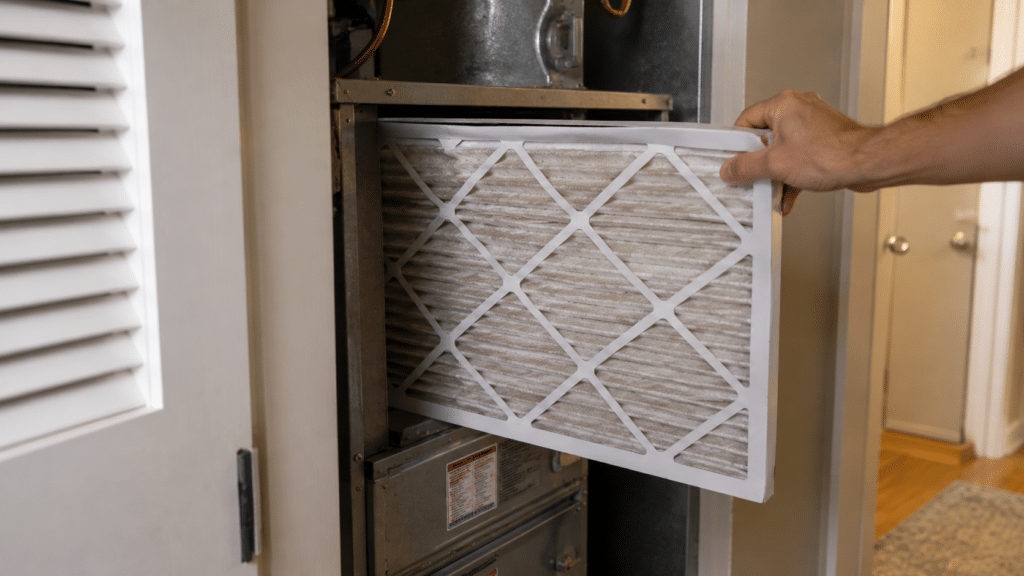
Keeping a cooling system running well through the summer doesn’t require much beyond consistent upkeep. Changing air filters every one to three months during peak season helps maintain airflow and reduces strain on the blower motor. Clearing debris from around the outdoor unit periodically keeps airflow unobstructed. An annual professional tune-up, ideally scheduled before the hottest part of the summer, allows a technician to check refrigerant levels, clean coils, and catch worn components before they fail. These simple habits go a long way toward avoiding the inconvenience of a breakdown during the peak of Maryland’s summer heat.