
With fall fully underway, it’s a good time to think ahead to the coming heating season, especially for anything that’s gone untouched since last winter. Chimneys and flues sit unused through most of the warmer months, and that stretch of inactivity is exactly when small issues, debris buildup, or unwelcome wildlife can go unnoticed. A check now, before the first cool evening calls for a fire, helps make sure everything is ready to go.
Why It Matters
A chimney that isn’t functioning properly isn’t just an inconvenience. Blockages, damaged flue liners, or excess creosote buildup can create real safety risks, including chimney fires and carbon monoxide entering the home. Because chimneys are used seasonally, problems that developed since the last use often aren’t discovered until someone lights the first fire of the season, which is not the ideal time to find out something is wrong.
What Inspectors Evaluate
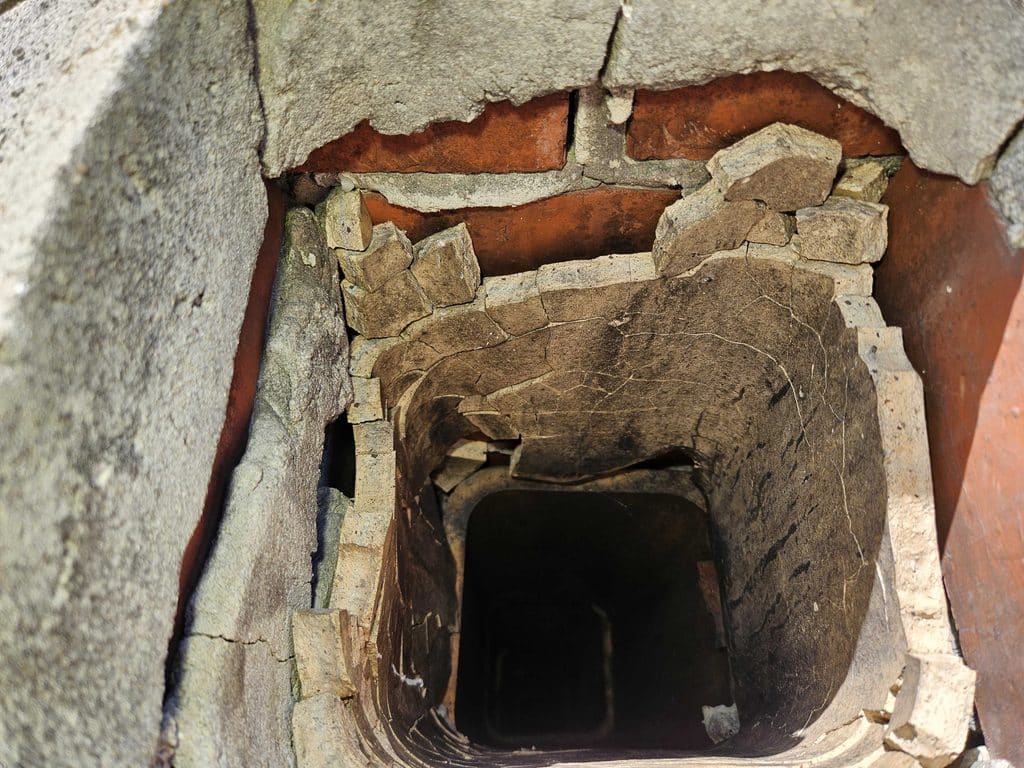
During a late-September chimney and flue check, a few areas get particular attention:
- Flue liner condition, checking for cracks, gaps, or deterioration
- Creosote buildup, which increases fire risk if left unaddressed
- Chimney cap and crown, confirming they’re intact and keeping out moisture and debris
- Signs of animal activity, including nests or blockages from birds or small wildlife
- Flashing at the roofline, where the chimney meets the roof
Flue Liner and Creosote Buildup
The flue liner protects the surrounding structure from heat and combustion byproducts, and any cracks or gaps in it reduce that protection. Creosote, a byproduct of burning wood, builds up gradually inside the flue and is a leading contributor to chimney fires when it accumulates over multiple seasons without a cleaning. Inspectors look for visible buildup and flag flues that appear due for a professional sweep.
Chimney Cap and Crown
The cap and crown sit at the very top of the chimney and take the brunt of weather exposure year-round. A damaged or missing cap allows rain, debris, and animals to enter the flue, while a cracked crown can let water seep into the chimney structure itself. Inspectors check both for visible damage, since issues here are often easier and less costly to address before they lead to interior moisture problems.
Signs of Animal Activity
Birds, squirrels, and other small wildlife commonly build nests in chimneys that go unused over the summer. A blocked flue from a nest isn’t just an inconvenience. It can prevent smoke and gases from venting properly once the chimney is back in use. Inspectors look for nesting material, debris, or other signs that something has taken up residence since the last inspection.
Seasonal Considerations
Since Maryland chimneys typically sit idle from spring through summer, late September is a practical window to catch issues before the first fire of the season. According to the Chimney Safety Institute of America, chimneys, fireplaces, and vents should be inspected at least once a year, and doing so regularly helps catch hidden structural problems before they become hazardous. This guidance lines up with what inspectors commonly encounter locally, where chimneys that went unused and unchecked over the warmer months often reveal small issues, like minor cap damage or the start of a nest, that are easy to resolve if caught early.
Chimney flashing is also worth a look this time of year, since it plays a key role in keeping water out of both the chimney and the surrounding roof structure. Our earlier post on roofing and gutters after summer storms covers flashing in more detail, and the same principles apply directly to the area where a chimney meets the roofline.
When Further Evaluation Is Recommended
A few signs point to a need for a licensed chimney professional before the heating season begins:
- Visible creosote buildup inside the flue
- Cracks or gaps in the flue liner
- A damaged or missing chimney cap
- Signs of animal nesting or blockage
- Water stains on the ceiling or wall near the chimney
None of these signs necessarily mean a full chimney rebuild is needed. In many cases, a certified chimney sweep can address the specific issue with a standard cleaning or repair visit.
Supporting Long-Term Maintenance and Prevention
A few consistent habits help keep a chimney system safe and ready for the season ahead. Scheduling an annual inspection and cleaning before cooler weather arrives catches issues while they’re still minor. Keeping the chimney cap in good condition prevents water and animal intrusion year-round. A visual check from the ground periodically, looking for damaged mortar or a leaning chimney structure, can help catch developing problems early. Addressing any signs of water staining near the chimney promptly helps prevent more significant damage to the surrounding structure over time.