
By mid-August, plumbing systems in Maryland homes have been through a full summer of heavy use. Between pool fill-ups, sprinkler systems, extra showers, and houseguests, most homes are asking more of their plumbing this time of year than almost any other. Late summer is a good point to take a closer look at a few specific components before the season winds down.
Why It Matters
Plumbing issues often develop gradually, and summer’s heavier water usage can expose weaknesses that stayed hidden the rest of the year. A slow leak at an outdoor spigot or a sump pump that hasn’t been tested in a while can turn into a real problem once a late-summer storm rolls through. Catching these issues now, rather than after a failure, tends to be far less disruptive and less costly for homeowners.
What Inspectors Evaluate
During a late-summer plumbing check, a few components get particular attention:
- Outdoor spigots and hose bibs, checking for leaks, drips, or corrosion
- Backflow prevention devices, confirming they’re functioning correctly
- Sump pump operation, testing that it activates and drains properly
- Water heater performance, especially under higher summer demand
- Visible pipe condition, checking exposed supply lines for corrosion or wear
Outdoor Spigots and Backflow Prevention
Hose bibs see far more use in summer than any other season, whether for watering plants, filling a pool, or washing a car. Inspectors check for drips at the connection point and confirm that backflow preventers are present and functioning, since these devices keep contaminated water from siphoning back into the home’s supply line. A hose left connected all summer can also mask a slow leak that only becomes obvious once it’s disconnected.
Sump Pump Readiness
Sump pumps often go untested for long stretches, especially in homes that haven’t seen significant rainfall in a while. Inspectors check that the pump activates when water reaches the float switch and that it discharges water well away from the foundation. A pump that fails during a heavy late-summer storm can lead to basement flooding, so confirming it works before that storm arrives is worth the few minutes it takes.
Water Heater Performance
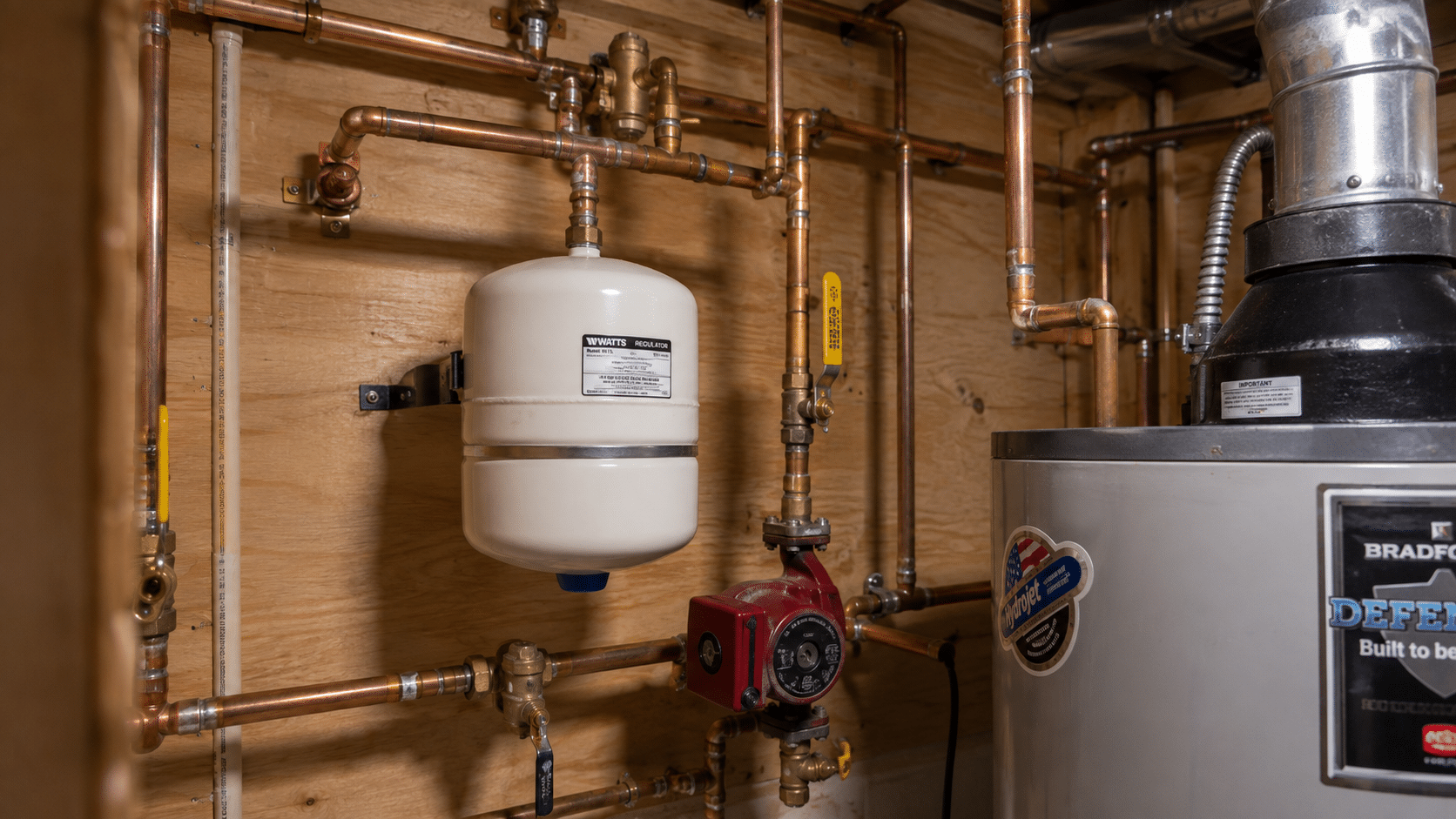
Summer houseguests, extra laundry loads, and general higher usage put more demand on a water heater than usual. Inspectors check for signs of corrosion around the tank, confirm the temperature and pressure relief valve is functioning, and look for any signs of sediment buildup that can reduce efficiency over time.
Seasonal Considerations
Maryland’s combination of summer heat and periodic heavy storms creates a particular set of demands on home plumbing systems. According to the EPA’s WaterSense program, the average household’s leaks can waste nearly 10,000 gallons of water a year, and outdoor spigots and irrigation connections are among the most common places these leaks go unnoticed. That guidance matches what inspectors often find locally, where a slow outdoor drip goes unnoticed for weeks simply because a hose is left connected through the season.
Sump pump readiness is also worth pairing with a broader look at how a home manages storm water overall. Our recent post on roofing and gutters after summer storms covers how surface drainage plays a role here too, since gutters and downspouts work alongside interior systems like sump pumps to keep water away from the home.
When Further Evaluation Is Recommended
A few signs point to a need for a licensed plumber rather than a simple homeowner fix:
- A sump pump that doesn’t activate or run quietly during a test
- Persistent dripping at an outdoor spigot even after the hose is disconnected
- Rust or corrosion visible around the water heater tank
- Noticeably reduced water pressure at multiple fixtures
- Any sign of water pooling near the sump pump discharge point
None of these signs necessarily point to a major repair. In many cases, a plumber can resolve the specific issue during a standard service visit.
Supporting Long-Term Maintenance and Prevention
A few simple habits help plumbing systems perform well through the rest of the season. Disconnecting hoses periodically to check for hidden leaks at the spigot makes small drips easier to catch. Testing a sump pump by pouring a bucket of water into the pit confirms it’s ready before the next storm. Flushing a water heater once a year helps clear sediment that builds up with regular use. Keeping an eye on visible pipes for early signs of corrosion makes it easier to address a small issue before it becomes a bigger one.